
Most rejected connection packages fail for the same handful of avoidable reasons. This article breaks down the common gaps between a submitted calculation and one that clears review the first time.
Structural steel detailing serves as the bridge between design intent and physical construction, transforming engineering concepts into fabrication-ready drawings and coordinated models that provide clarity for every stage of a project. From small structural packages to large-scale developments, detailing plays a vital role in helping fabricators, contractors, and project teams move efficiently from planning to production.
In today’s construction environment, projects are becoming increasingly complex. Tight schedules, demanding coordination requirements, and rising expectations for accuracy leave little room for error. Fabricators require precise information to manufacture steel components efficiently, while contractors depend on coordinated drawings to support successful installation in the field. Without reliable detailing, even the most well-designed projects can encounter delays, confusion, and costly rework. Accurate detailing helps eliminate uncertainty by ensuring that every steel component is clearly defined before fabrication begins.
Modern steel detailing goes far beyond producing drawings. Advanced software platforms such as Tekla Structures and SDS/2 allow detailing teams to develop highly coordinated 3D models that provide a comprehensive representation of the final structure. These models serve as a central source of project information, helping teams visualize steel assemblies, identify potential conflicts, and improve communication among project stakeholders. By leveraging digital modeling technology, detailers can detect issues early in the process when they are easier and less expensive to resolve.
One of the greatest benefits of quality detailing is its ability to improve fabrication efficiency. Fabrication facilities rely on clear and accurate documentation to maintain production schedules and maximize productivity. Every dimension, connection detail, hole location, and material specification directly impacts the manufacturing process. When shop drawings are complete and coordinated, fabrication teams can focus on production rather than spending valuable time clarifying information or correcting errors. This streamlined workflow reduces disruptions, improves material utilization, and helps projects stay on schedule.
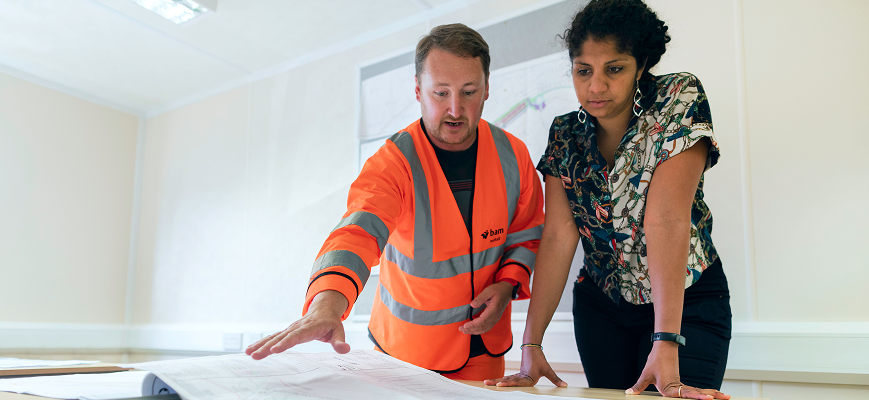
Accurate detailing also plays a significant role in project coordination. Structural steel projects often involve architects, engineers, fabricators, contractors, and owners, all contributing information that must be incorporated into the final deliverables. Effective detailing brings these elements together into a coordinated model that reflects the project’s requirements and objectives. Through collaboration and communication, detailers help identify discrepancies, clarify design intent, and ensure that all parties are working from the same information. This coordination minimizes misunderstandings and creates a smoother path from design through construction.
The financial impact of detailing is equally important. Errors discovered during fabrication or erection often lead to expensive modifications, production delays, and additional labor costs. Rework can quickly affect project budgets and schedules, creating challenges for both fabricators and contractors. By identifying potential issues before fabrication begins, detailing helps reduce the likelihood of costly corrections later in the process. Investing in accurate detailing at the beginning of a project often results in significant savings throughout the construction lifecycle.
As steel projects continue to evolve, the importance of technology-driven workflows has become increasingly evident. Detailed 3D models provide project teams with enhanced visibility into structural systems, allowing them to make informed decisions and improve overall project planning. Material quantities can be verified more accurately, coordination efforts become more effective, and stakeholders gain a better understanding of how the finished structure will come together. These advantages contribute to improved project outcomes and stronger collaboration across all phases of construction.
Ultimately, successful fabrication begins long before steel reaches the shop floor. It starts with reliable information, coordinated planning, and a commitment to accuracy. Structural steel detailing provides the foundation that enables fabrication teams to perform efficiently and confidently, helping transform engineering concepts into tangible structures. By delivering fabrication-ready drawings, coordinated models, and clear project documentation, detailing professionals play an essential role in reducing risk, improving productivity, and supporting successful project delivery. As demands for precision and efficiency continue to grow throughout the steel construction industry, the value of experienced detailing support remains more important than ever.